
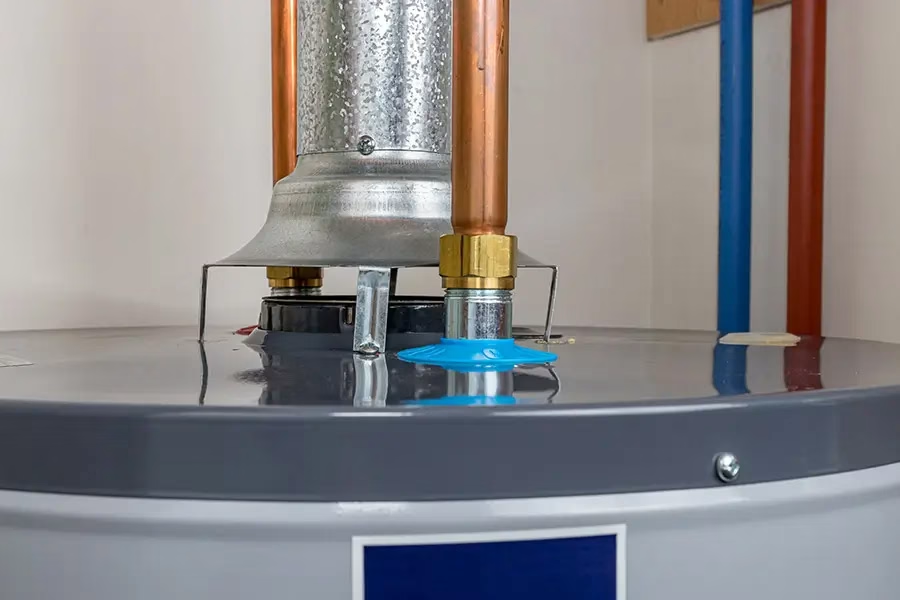
If you notice inconsistent water temperatures or hear strange noises from your water heater, it might be time to assess its condition. These issues can indicate serious problems like sediment buildup or a failing thermostat. Additionally, if you spot leaks or discolored water, your unit could be nearing the end of its lifespan. Understanding these signs is essential for preventing further damage and ensuring your home’s hot water supply remains reliable. What should you look for next?
Age of Your Water Heater
The age of your water heater is a crucial indicator of its overall health and efficiency. Typically, a standard water heater lasts about 10 to 15 years. If yours is approaching this age, consider replacing your water heater. As it ages, the risk of your water heater failing increases significantly, leading to potential leaks and inefficiencies. Regular maintenance can extend its lifespan, but even well-maintained units eventually succumb to wear and tear. If you notice rust, strange noises, or inconsistent heating, these may also signal that your unit is nearing the end of its life. Staying proactive about these signs can help you serve others by ensuring reliable hot water in your home.
Inconsistent Water Temperature
As your water heater ages, one common issue you might experience is inconsistent water temperature. This inconsistency can manifest as sudden bursts of cold water during showers or fluctuating temperatures while washing dishes. Often, sediment buildup in the tank can hinder the heating element’s efficiency, causing temperature variations. Additionally, a malfunctioning thermostat may fail to regulate the water temperature accurately. If you notice this issue, assessing your unit promptly is vital. Regular maintenance can sometimes resolve minor inconsistencies, but persistent problems may indicate that your water heater is nearing the end of its lifespan. Replacing it could guarantee a reliable hot water supply, enhancing comfort and service quality in your household.
Strange Noises Coming From the Unit
Unusual sounds from your water heater can be a telltale sign that something’s amiss. If you hear popping, rumbling, or hissing noises, it could indicate sediment buildup in the tank. This accumulation can cause overheating and damage the heating elements. A consistent banging or knocking might suggest loose components or water hammer, which can lead to pipe damage if not addressed. Additionally, high-pitched whining could signal a failing pressure relief valve. Investigating these noises promptly is essential; ignoring them may result in costly repairs or complete unit failure. Regular maintenance can minimize these issues, ensuring your water heater operates efficiently and serves your household needs effectively.
Water Discoloration
Have you noticed your hot water coming out discolored? This could indicate a problem with your water heater. Common discoloration includes rusty brown or yellow hues, often suggesting that the tank has accumulated iron or sediment. This accumulation can corrode the inner lining, leading to further deterioration of your unit. Observing a cloudy or milky appearance might signal the presence of minerals or contaminants in the water supply. It’s crucial to address this issue promptly, as discolored water can compromise your health and safety. Regular maintenance, such as flushing the tank, can help prevent these problems. If discoloration persists, it’s likely time to consult a professional and consider replacing your water heater.
Leaking Water Heater
A leaking water heater can lead to significant damage in your home and often signals a serious issue with the unit. If you notice puddles around the base or water dripping from the tank, acting quickly is essential. Leaks can stem from various sources, such as a faulty pressure relief valve, corroded fittings, or cracks in the tank itself. Ignoring these signs may not only result in costly repairs but can also damage flooring and adjacent structures. To prevent further issues, immediately shut off the water supply and consult a professional plumber. Timely intervention can help you avoid extensive water damage and guarantee your home remains safe and functional. Don’t hesitate—address any leaks promptly for best safety.
Reduced Hot Water Supply
After addressing leaks, another common issue that can indicate a failing water heater is a reduced hot water supply. If you notice that your showers are lukewarm or your dishwasher isn’t cleaning effectively, it’s time to investigate. A decrease in hot water can stem from sediment buildup in the tank, which impairs heating efficiency. Additionally, a malfunctioning thermostat or heating element may be to blame. Sometimes, the tank’s capacity may no longer meet your household needs, especially if your family has grown. Regular maintenance, such as flushing the tank, can prolong its life, but if you’re consistently facing hot water shortages, consider consulting a professional. Replacing the unit might be the best solution for reliable hot water.
Increased Energy Bills
Could your rising energy bills indicate that your water heater is failing? If you notice an unexpected spike in your utility costs, it’s worth investigating. A malfunctioning water heater often struggles to maintain the desired temperature, causing it to work harder and consume more energy. This inefficiency affects your wallet and can lead to an inconsistent hot water supply, impacting your daily routines.
Check for signs such as extended heating times or unusual noises, indicating underlying issues. Monitoring your energy consumption closely can help you identify patterns linked to your water heater’s performance. Addressing these problems early can save you money and guarantee you continue to provide reliable hot water for your household.
Rusty or Corroded Connections
Noticing rusty or corroded connections around your water heater can signal a significant issue. These connections are vital for maintaining the integrity and efficiency of your unit. Rust indicates that moisture is present, which can lead to leaks and further corrosion, compromising the overall performance. If you see rust on the pipes or fittings, acting quickly is essential. Corrosion can weaken connections, leading to potential water damage in your home.
Additionally, it can affect the efficiency of your water heater, driving up energy costs. You should consult a professional plumber to assess the extent of the corrosion and determine if replacement is necessary. Addressing this issue promptly can save you from more extensive repairs.
Warning Lights or Error Codes
When your water heater displays warning lights or error codes, paying attention is crucial, as these indicators often point to underlying issues that need immediate attention. Common error codes may relate to temperature, pressure, or system malfunctions. For instance, a flashing light might suggest overheating, while a specific code could indicate a faulty thermostat. Don’t ignore these signals; they are your water heater’s way of communicating problems that could escalate if left unaddressed. Consult your owner’s manual for specific meanings of the codes or lights. If you’re unsure, it’s best to contact a technician who can diagnose and resolve the issue efficiently, ensuring your water heater operates safely and effectively.
Water Heater Odors
Warning lights or error codes can signal various issues with your water heater, but persistent odors from the unit are another significant sign of potential failure. If you notice a rotten egg smell, it likely indicates a problem with the anode rod, which may need replacement. A metallic or burning smell could suggest overheating components or electrical issues, requiring immediate attention. Also, musty odors often point to mold growth due to moisture accumulation, which can compromise water quality. Don’t ignore these warnings; they can affect safety and service quality. If you detect any unusual smells, you must consult a professional to assess the situation and determine if replacement is necessary for ideal performance and customer satisfaction.
Conclusion
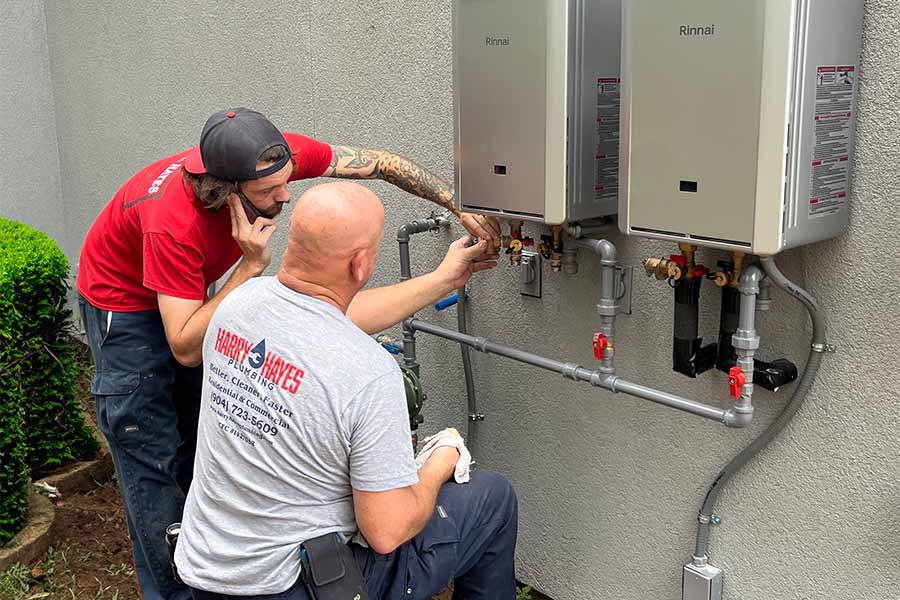
If you notice any of these signs, acting promptly is essential. An aging water heater or one showing inconsistent temperatures, strange noises, or leaks may indicate it’s time for a replacement. Discolored water and rising energy bills are also red flags. Don’t ignore warning lights or unusual odors; they can signal underlying issues. By addressing these problems early, you can avoid more extensive damage and guarantee you have a reliable source of hot water.
Frequently Asked Questions
How Long Does a Typical Water Heater Last?
A typical water heater lasts about 10 to 15 years, depending on its type and maintenance. Regular inspections and upkeep can extend its lifespan, ensuring reliable service for your household’s hot water needs.
Can I Repair My Water Heater Instead of Replacing It?
Depending on the severity of the issue, you can often repair your water heater. You might save money by repairing minor issues like leaks, sediment buildup, or faulty components. However, long-term efficiency versus repair expenses should be considered before deciding.
What Factors Affect Water Heater Lifespan?
Several factors affect your water heater’s lifespan, including the type of unit, maintenance frequency, water quality, and usage patterns. Regular inspections and timely repairs can significantly extend its operational life, ensuring reliable service for your needs.
How Do I Choose the Right Replacement Water Heater?
To choose the right replacement water heater, consider your household’s hot water demand, energy efficiency ratings, fuel type, and tank size. Research models thoroughly and consult professionals to guarantee peak performance and reliability for your needs.
Are There Energy-Efficient Options for Water Heaters?
Yes, you’ve got energy-efficient options like tankless, heat pump, and solar water heaters. They reduce energy consumption, lower utility bills, and minimize environmental impact, making them excellent choices for sustainability-minded households.