
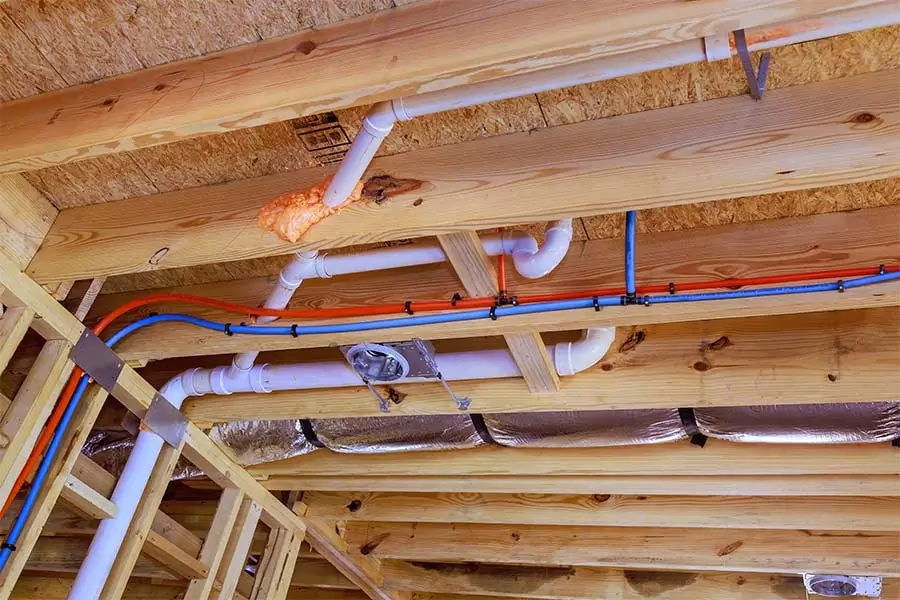
Recognizing the signs that your home’s plumbing is failing can save you thousands of dollars in water damage, structural repairs, and emergency service calls. In our service calls throughout Jacksonville, frequent leaks, low water pressure, and discolored water are among the most common complaints we encounter in older homes. Left unaddressed, these warning signs rarely resolve on their own. If your home shows any of these symptoms, working with a licensed plumber who offers home repiping in Jacksonville, FL, is often the most reliable path forward.
Frequent Leaks and Water Damage
Recurring leaks are one of the clearest indicators that a home’s plumbing system is deteriorating. In working in homes across Jacksonville, including older properties in neighborhoods like Avondale and Murray Hill, we consistently find that chronic leak patterns point to corroded or structurally compromised pipes rather than isolated fixture failures.
Areas to watch include:
- Under sinks and vanities: Moisture buildup here often signals slow pipe degradation
- Near water heaters: Connections and supply lines in these areas are especially vulnerable to age
- In crawl spaces or basements: These out-of-sight areas can harbor hidden leaks for months before visible damage appears
Signs of water damage, such as wall or ceiling staining, mold growth, or warped baseboards or flooring, are not cosmetic problems. They reflect active or ongoing water intrusion. Galvanized steel and polybutylene pipes are particularly prone to this type of failure, and homes built before the 1980s in the Jacksonville area are more likely to still have these materials in place. A licensed plumber can assess the scope of the problem and determine whether targeted repairs or full repiping is the appropriate response.
Low Water Pressure
Low water pressure throughout a home is a sign that something is restricting flow in the pipes. Based on what we see in Jacksonville properties, this issue most frequently stems from mineral deposits or internal corrosion, which narrow the interior diameter of aging pipes over time.
Common signs that low pressure has a systemic cause rather than a localized clog include:
- Weak flow at multiple fixtures simultaneously
- Sluggish filling in sinks, tubs, or appliances
- Reduced pressure that has worsened gradually over several months or years
If a home still runs on galvanized steel or other outdated piping materials, the risk of continued flow restriction increases substantially. Low water pressure is not merely a comfort issue. It places added strain on appliances, reduces the effectiveness of water heaters, and can complicate everything from dishwasher performance to irrigation systems. A professional plumbing inspection can determine whether the cause is a localized blockage or a system-wide issue requiring repiping.
Discolored or Foul-Smelling Water
Water that runs brown, yellow, or rust-colored from the tap is a serious concern. Discoloration of this kind typically indicates rust and sediment breaking free from the interior walls of deteriorating pipes, particularly iron or galvanized steel lines. A metallic taste or a rotten odor in the water supply can indicate bacterial growth or active contamination in the plumbing system.
These conditions carry real health implications. Discolored water should never be dismissed as a temporary inconvenience. Our water leak detection and repair services can help pinpoint where corrosion or contamination is entering the water supply before it causes further harm.
Identifying the root cause requires a professional assessment. A plumber can evaluate pipe material, check for localized corrosion at fittings and joints, and determine whether selective repairs or a full repipe are needed to restore water quality.
Old Pipe Materials
The materials your plumbing system is built from have a direct impact on water quality, system longevity, and overall safety. Working in homes across Jacksonville and the surrounding Northeast Florida area, we regularly encounter three pipe materials that present the most risk in aging properties:
- Galvanized steel: Corrodes from the inside out over time, releasing rust and debris into the water supply and progressively restricting flow
- Lead pipes: A serious public health concern, particularly in homes built before 1986; lead can leach into drinking water and poses documented neurological risks, especially for young children
- Polybutylene: Once widely used in the 1980s and early 1990s, this material is prone to cracking and failure and is no longer considered an acceptable plumbing material
If your home still has any of these materials, a full assessment is warranted. Upgrading to modern materials such as PEX or copper improves both safety and long-term system performance. A licensed plumber can confirm what materials are currently in your home and recommend the most appropriate repiping solution.
Visible Signs of Corrosion
Corrosion on exposed piping is one of the most direct physical indicators that a plumbing system is deteriorating. When inspecting accessible pipe runs in crawl spaces, utility closets, or under sinks, there are specific signs that warrant a closer professional evaluation:
- Rust-colored staining on pipe surfaces, walls, or nearby fixtures
- Flaking or peeling along pipe exteriors, particularly on older iron or steel lines
- Green or blue discoloration around copper pipe joints and fittings, indicating oxidation
- Pitting on pipe surfaces, which are small depressions or holes that signal active material loss
Corrosion rarely stays contained to one section of a plumbing system. When one visible area shows significant deterioration, it is generally an indication that similar degradation is occurring elsewhere. Addressing corrosion proactively prevents far costlier emergency repairs later.
Unusual Noises in Pipes
Pipes in good condition operate quietly. Sounds coming from your plumbing system during normal use are worth paying attention to, as they often indicate underlying pressure, flow, or structural issues.
Common sounds and what they can indicate:
- Banging or hammering: Often called water hammer, this occurs when sudden pressure changes cause pipes to shift and strike against framing or structural elements
- Gurgling: Suggests air trapped in the line or a developing blockage, which can lead to backups if not addressed
- Hissing: May point to a small leak at a fitting or joint, or a pressure issue within the supply lines
These sounds frequently precede more significant failures. A plumber can evaluate whether the issue is a pressure-regulation problem, a loose pipe, or deterioration that warrants more extensive repair.
Water Meter Running Constantly
A water meter that continues to move when all fixtures and appliances are off is a reliable indicator of a hidden leak somewhere in the system. In Jacksonville, homes along tree-lined streets and in older, established neighborhoods, underground root intrusion and aging supply lines are common culprits.
A licensed plumber can efficiently isolate and locate a hidden leak, often using non-invasive detection methods. Our Jacksonville plumbers have the tools and experience to find the source without unnecessary disruption to your property.
Addressing a hidden leak promptly prevents long-term structural damage, mold development, and escalating water costs.
Aging Plumbing System
The age of a home is one of the most important factors in evaluating plumbing condition. Homes over 50 years old are more likely to have plumbing materials that no longer meet safe or reliable standards. In Jacksonville, where many neighborhoods, including Springfield, Riverside, and the Beaches, have mid-20th-century housing stock, this is particularly relevant.
Key indicators to evaluate in aging systems include:
- Visible rust or discoloration on exposed pipe runs
- Any confirmed use of galvanized steel or polybutylene materials
- A history of recurring leaks or low pressure without a clear isolated cause
- Unusual sounds during regular water use
A professional plumbing inspection can provide a complete picture of your system’s current condition and remaining service life. If multiple indicators are present, a whole-home repipe may be the most cost-effective and reliable long-term solution.
Repeated Clogs and Backups
Occasional clogs are a normal part of home ownership. Recurring drain backups, particularly across multiple fixtures, suggest a more systemic problem. Based on what we see in Jacksonville properties, persistent clog patterns often trace back to one of three root causes:
- Internal pipe corrosion that creates rough surfaces where debris catches and accumulates
- Pipe scale buildup severe enough to significantly reduce the interior diameter
- Tree root infiltration in sewer lines, which is common in older Jacksonville neighborhoods with large established trees
Repeatedly reaching for chemical drain cleaners is not a solution. These products can accelerate pipe degradation and mask underlying structural problems. Our professional drain cleaning services address the actual cause of the backup rather than temporarily clearing the symptom.
If backups are becoming frequent, a camera inspection can confirm whether the issue is localized or indicative of a larger systemic problem requiring repiping or sewer line work.
Increased Water Bills
An unexplained increase in monthly water costs is one of the most financially visible symptoms of a plumbing system under stress. Hidden leaks, whether in supply lines, slab foundations, or buried exterior lines, can result in significant water loss long before any visible damage appears inside the home.
If your water bill has risen without a corresponding change in household usage, consider the following:
- Compare your recent bills month over month and year over year to identify the pattern
- Check for damp spots on floors, walls, or ceilings that might point to a slow leak
- Have a plumber perform a pressure test and leak check to rule out supply line issues
Rising water bills, along with other warning signs such as low pressure, discoloration, or audible pipe noise, are strong indicators that the plumbing system needs a professional evaluation. In many cases, addressing the root cause through targeted repairs or repiping results in measurable reductions in monthly water costs.
Hayes to Say Your Pipes Are Fine
If your Jacksonville home shows multiple signs from this list, a professional evaluation is the next step. At Harry Hayes Plumbing, we have served homeowners throughout Northeast Florida for over 30 years, providing honest assessments, transparent pricing, and repiping solutions built to last. Whether you are dealing with one persistent problem or a combination of warning signs, our licensed team is ready to help you understand your options.
Contact our team today to schedule a plumbing inspection and get the clarity you need about your home’s pipes.
Frequently Asked Questions
How can I identify the type of pipes in my home?
A licensed plumber can confirm the materials of your pipes during an inspection. Visible sections in utility areas may offer clues, but a thorough assessment is the only reliable way to determine which materials are present throughout the system.
What are the costs associated with repiping a home?
Costs vary based on home size, pipe material chosen, and the complexity of your existing system. A professional estimate from a licensed plumber is the best way to get accurate pricing for your specific situation.
How long does the repiping process typically take?
Most whole-home repiping projects are completed in 1 to 3 days. Your plumber will walk you through the timeline and any temporary interruptions to water service before work begins.
Will repiping increase my home’s value?
Upgraded plumbing systems are a meaningful value addition, particularly in older homes where buyers and inspectors scrutinize pipe age and material. Modern materials like PEX and copper offer documented reliability and longevity.
Should I hire a professional for repiping work?
Repiping is not a project suited to DIY. It involves cutting into walls, meeting local building codes, working with pressurized lines, and ensuring system integrity throughout the home. Licensed plumbers bring the tools, training, and permits required to do the job correctly and safely.