


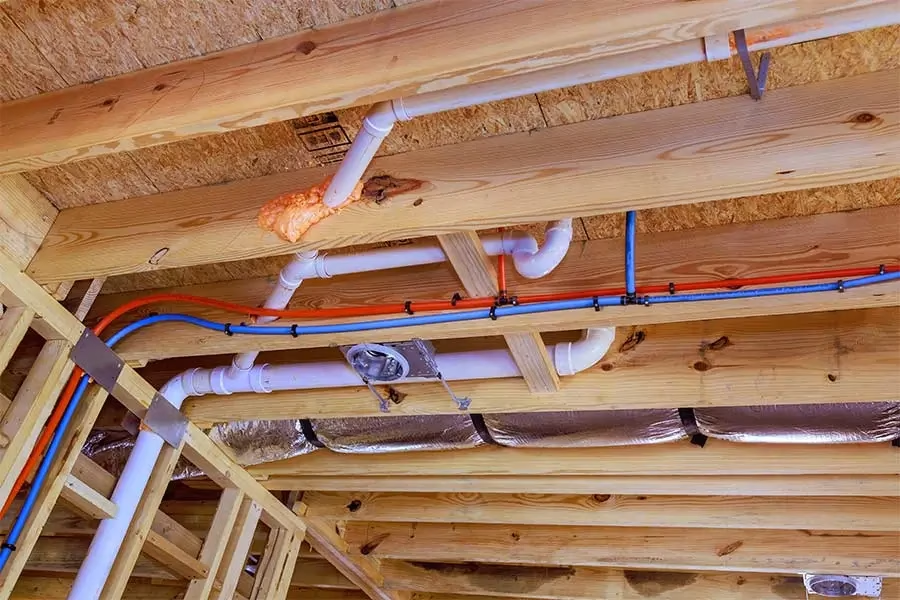
When maintaining your home’s plumbing, recognizing the signs you need repiping is vital—frequent leaks, low water pressure, and discolored water signal underlying issues. Old pipe materials increase your risk, especially those over 50 years old. If you’ve noticed any of these symptoms, assessing the situation promptly is essential. Ignoring these red flags can lead to costly repairs down the line. What should you look for next?
Frequent Leaks and Water Damage
If you notice frequent leaks and signs of water damage in your home, it might be time to contemplate repiping. These leaks can indicate deteriorating pipes, often due to corrosion or age. Investigate areas like under sinks, near water heaters, and in basements, where moisture accumulation usually occurs. Pay attention to water stains, mold growth, and warped materials, as they all signal underlying issues.
You should also consider the type of piping in your home; older materials like galvanized steel or polybutylene are prone to leaks. Analyzing the frequency and location of these leaks can help you determine if repiping is necessary. Addressing these problems promptly not only prevents further damage but also enhances your home’s overall safety and functionality.
Low Water Pressure
When you experience low water pressure throughout your home, it can signal underlying plumbing issues that may necessitate repiping. Often, this condition arises from corrosion or mineral buildup in older pipes, restricting water flow. You might notice weak showers, slow-filling sinks, or inadequate irrigation for your garden. Assess whether the low pressure affects all fixtures or specific areas; localized issues may indicate clogs rather than systemic problems. If your home has galvanized steel or other outdated piping materials, the risk of failure increases, requiring urgent attention. Addressing low water pressure not only improves your daily comfort but also enhances the longevity of your plumbing system. Timely repiping can foster a more reliable and efficient water delivery for your household.
Discolored or Foul-Smelling Water
Have you noticed discolored or foul-smelling water coming from your taps? This issue can indicate serious plumbing problems. Discoloration, often brown or yellow, typically arises from rust or sediment in your pipes. If your water has a metallic or rotting odor, it could signal bacterial growth or contamination. These conditions not only affect water quality but can also pose health risks for you and your family. It’s essential to identify the source of these changes promptly. Check for leaks, corrosion, or other issues with your plumbing system. Consider consulting a professional plumber if you can’t resolve the problem easily. They can assess your home’s plumbing, ensuring your water remains safe and clean for daily use.
Old Pipe Materials
Discolored or foul-smelling water often points to underlying issues in your plumbing, and the materials used for your pipes can significantly impact water quality and system integrity. If your home has galvanized steel, lead, or polybutylene pipes, you risk significant problems. Galvanized pipes corrode over time, leading to rust and debris in your water. Lead pipes pose serious health risks, especially for children, as lead can leach into the water supply. Polybutylene, once popular, is prone to leaks and failures. If you recognize any of these materials in your plumbing, consider repiping as a proactive measure. Upgrading to modern materials like copper or PEX can enhance safety and efficiency, ultimately serving your family’s needs better.
Visible Signs of Corrosion
Corrosion can manifest in several visible ways, often serving as a warning sign that your plumbing system is deteriorating. You might notice rust-colored stains on fixtures or walls, indicating the presence of corroding pipes. Flaking or peeling paint near plumbing areas can suggest moisture infiltration due to leaks. Additionally, if you see green or blue discoloration around fittings and joints, it’s a sign of copper pipe corrosion. Pitting—small holes or depressions on the pipe surface—can also indicate serious issues. If you observe any of these signs, assessing your plumbing system promptly is critical. Addressing corrosion early can prevent extensive damage, ensuring the safety and reliability of your home’s water supply while serving your family’s needs.
Unusual Noises in Pipes
Aside from visible signs of corrosion, unusual pipe noises can signal underlying issues within your plumbing system. If you hear banging, gurgling, or hissing sounds, it’s time to investigate. Banging often indicates water hammer, where sudden pressure changes cause pipes to vibrate against walls. Gurgling may suggest blockages or air trapped within the system, potentially leading to backups. Hissing noises can point to leaks or faulty fittings, escalating serious water damage if left unaddressed. By paying attention to these auditory cues, you can proactively address potential problems, ensuring your plumbing operates efficiently. Don’t ignore these signs; they often precede more significant issues that could affect your home and well-being.
Water Meter Running Constantly
Have you noticed your water meter running constantly, even when no water is used? This could indicate a hidden leak within your plumbing system. Start by checking all fixtures and appliances for visible leaks. Consider inspecting your irrigation system or any outdoor spigots if everything appears normal. A continuously running meter often points to a minor leak, but ignoring it can escalate into significant water waste and costly repairs. Turn off all water sources and observe the meter to pinpoint the issue. If it still moves, you likely have a hidden leak. Addressing this promptly not only saves water but also preserves the integrity of your plumbing system, ensuring you continue serving those who rely on your home.
Aging Plumbing System
If you’ve noticed signs of leaks or irregularities in your water meter readings, it might be time to evaluate the overall condition of your plumbing system. Aging plumbing can lead to many issues, including decreased water pressure and increased risk of leaks. If your home is over 50 years old, it’s wise to contemplate the materials used in your pipes. Older systems often contain galvanized steel or polybutylene, both prone to corrosion and failure. Inspect visible pipes for rust or discoloration, as these are indicators of deterioration. Listen for unusual sounds, such as banging or gurgling, which may signal underlying problems. Addressing these issues promptly can prevent further damage and guarantee safe, efficient water delivery in your home.
Repeated Clogs and Backups
When you experience repeated clogs and backups in your plumbing, it often signals deeper issues within your system. These persistent problems may indicate corroded pipes, which can restrict water flow and lead to blockages. Additionally, tree roots might infiltrate your sewer lines, causing further disruptions. If you frequently use chemical drain cleaners, it’s a temporary fix that can damage your pipes over time. Consider the age and material of your plumbing; outdated systems are more prone to these issues. Evaluate the frequency and severity of these backups—if they’re becoming a norm, it’s essential to consult a professional. Addressing these concerns promptly can help you maintain efficient plumbing and prevent more severe consequences.
Increased Water Bills
Repeated plumbing issues often lead to unexpected consequences, including increased water bills. If you notice a spike in your monthly water costs, it’s essential to investigate further. Leaks in aging pipes can significantly contribute to water loss, causing your utility bills to soar. Pay attention to damp spots or reduced water pressure, which often signal underlying problems. Additionally, a sudden increase might also result from inefficient fixtures or malfunctioning appliances. Monitoring and comparing your water usage to previous months can provide valuable insight. If your bills remain high despite no changes in usage, it’s wise to consult a plumbing professional. They can assess whether repiping is necessary to restore efficiency and reduce costs.
Conclusion
If you’re noticing frequent leaks, low water pressure, or discolored water, it might be time to evaluate repiping your home. Inspect for corrosion and consider the age of your plumbing system; homes over 50 years old with outdated materials are especially vulnerable. Don’t ignore rising water bills or repeated clogs, as these can indicate underlying issues. Proactively addressing these signs guarantees your plumbing remains safe and efficient, ultimately protecting your home and investment.
Frequently Asked Questions
How Can I Identify the Type of Pipes in My Home?
To identify your home’s pipes, check exposed sections in basements or crawl spaces. Look for markings, colors, or materials—PVC is white, copper is reddish-brown, and galvanized steel is gray. Use a magnet for metal identification.
What Are the Costs Associated With Repiping a Home?
Repiping costs vary based on materials, home size, and labor. Generally, you’ll spend between $2,000 and $15,000. You’ll want to evaluate the long-term benefits of quality materials for durability and efficiency.
How Long Does the Repiping Process Typically Take?
Repiping usually takes one to three days, depending on your home’s size and plumbing complexity. You’ll want to prepare for temporary water shutdowns and guarantee clear access so the plumbers can work efficiently.
Will Repiping Increase My Home’s Value?
Yes, repiping can markedly increase your home’s value. Modern plumbing systems enhance efficiency and appeal, attracting potential buyers. You’ll also reduce future repair costs, making your property more desirable in a competitive market.
Can I Repipe My Home Myself or Should I Hire a Professional?
You can attempt to repipe your home yourself, but it’s complex. Hiring a professional guarantees proper installation, code adherence, and long-term reliability, ultimately serving your home’s needs better than a DIY approach.