


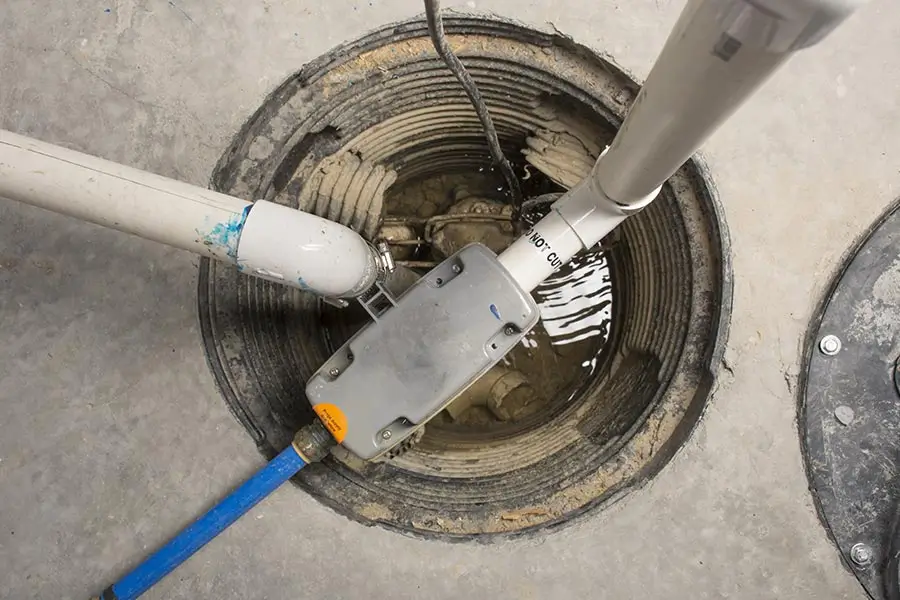
If you hear your sump pump making strange grinding noises, it could be a sign that something’s wrong. You may notice that it cycles on and off more frequently than before. These could be early indicators that your sump pump needs attention. Ignoring these warning signs can lead to bigger problems down the line. So, what other signs should you be looking for?
Unusual Noises Coming From the Sump Pump
If you notice unusual noises coming from your sump pump, pay attention. Sounds like grinding, rattling, or excessive buzzing can indicate issues that need immediate attention.
These noises often signal that the motor is struggling or debris obstructs its mechanism. Ignoring these signs can lead to more severe problems, including pump failure.
You should also listen for a continuous humming sound, which might mean the pump is working harder than it should. This could be a sign of an electrical issue or an improper installation.
If you hear any unusual sounds, it’s best to act quickly. Contact a trusted plumbing professional, like Harry Hayes Plumbing, who understands the importance of reliable service.
They can diagnose the problem and offer solutions tailored to your needs, ensuring your sump pump functions effectively when you need it most. Regular maintenance and professional installation are crucial for optimal performance.
Frequent Cycling of the Sump Pump
Unusual noises aren’t the only red flag to watch for with your sump pump; frequent cycling can be just as concerning. If you notice your sump pump turning on and off more often than usual, it’s time to take action.
Here are some key reasons to be aware of:
- Short Cycling: This happens when the pump activates for only a few seconds at a time.
- High Water Table: If your area has heavy rainfall or flooding, your pump might be overworked.
- Clogged Filters: Debris can block the float switch, leading to improper cycling.
- Old Age: If your sump pump is over seven years old, it may struggle to keep up.
Ignoring these signs can lead to bigger issues down the line. If you’re experiencing frequent cycling, don’t hesitate to reach out to a professional for repair. Trusted plumbing services in Jacksonville can help ensure your sump pump operates efficiently and reliably.
Signs of Water Damage in the Basement
Water damage in your basement can be a homeowner’s worst nightmare, often leading to costly repairs and health hazards. You might notice dampness on the walls or floor, indicating moisture issues.
If you see water stains or discoloration, it’s a clear sign that water has infiltrated your space. Musty odors can also signal mold growth, which poses serious health risks.
Additionally, peeling paint or wallpaper might suggest trapped moisture behind the surfaces. If you find rust on metal appliances or tools, it’s another red flag that water is present.
Pay attention to any puddles or condensation, as these can indicate leaks or drainage problems. Ignoring these signs can lead to more extensive damage, so it’s vital to act quickly. Fast and accurate leak detection can help identify the source of the issue before it escalates.
If you spot any of these issues, don’t hesitate to reach out to a plumbing professional for an assessment and necessary repairs.
Increased Energy Bills
Increased energy bills can often signal underlying plumbing issues, especially if your sump pump is working harder than it should.
If you notice a spike in your utility costs, consider these factors:
- Frequent Cycling: If your sump pump runs more often than usual, it may indicate a problem, leading to higher energy usage.
- Clogged Filters: Dirty filters can force your pump to work overtime, consuming more electricity.
- Old Equipment: An aging sump pump may become less efficient, driving up your energy bills.
- Insufficient Drainage: If water isn’t draining properly, your pump has to exert more effort, increasing energy consumption.
If you’re experiencing rising energy costs, don’t hesitate to reach out to Harry Hayes Plumbing. Our team is ready to assess your sump pump and provide the reliable service you need to get your bills back in check. Remember, experienced emergency plumbing can help address underlying issues before they escalate.
Age of the Sump Pump
Your sump pump’s lifespan is crucial in its efficiency and reliability. If your pump is over 7 to 10 years old, it’s time to evaluate its performance. Aging pumps can struggle to keep up with water flow, leading to potential flooding in your home.
You might notice unusual noises, reduced effectiveness, or even frequent cycling, all signs that your pump’s age is catching up with it. Regular maintenance can prolong its life, but eventually, wear and tear will take their toll.
If you’ve been relying on an old sump pump, consider upgrading to avoid costly repairs or water damage. Don’t wait for a heavy rain to discover your pump’s limitations.
If you’re unsure, consult with a trusted local plumber like Harry Hayes Plumbing. They can assess the situation and help you decide if repair or replacement is the best option for your home.

Conclusion
So, if your sump pump sounds like it’s auditioning for a horror movie or your basement smells like a forgotten gym sock, it’s definitely time to take action. Don’t wait until your home resembles a water park attraction! If you’re noticing the warning signs—unusual noises, frequent cycling, or that pesky musty odor—call a plumber. Trust us, ignoring a faulty sump pump is like ignoring a fire alarm; it’ll only lead to a soggy, costly disaster.