
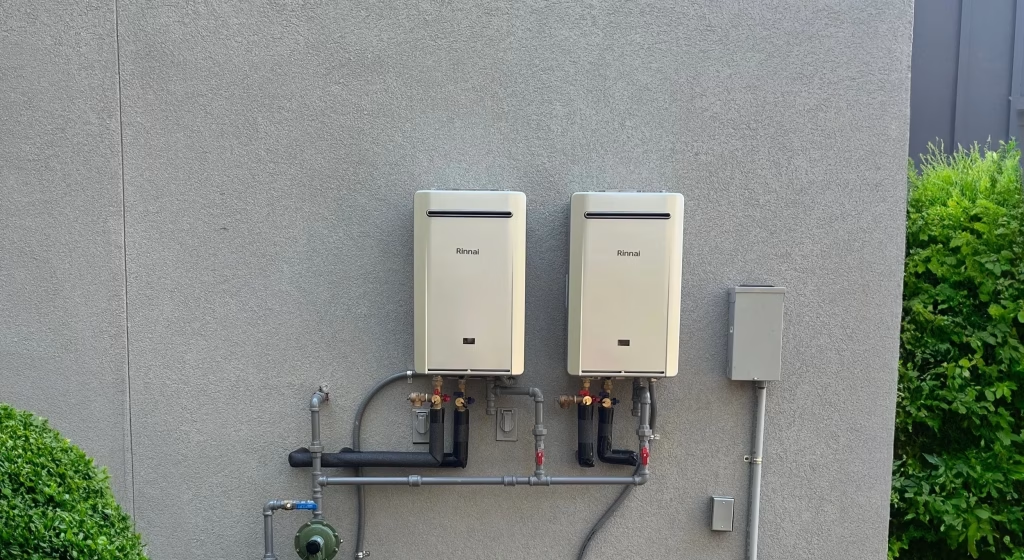
Tankless water heaters have become one of the most requested upgrades we see from Jacksonville homeowners. The reasons are consistent: rising energy costs, frustration with running out of hot water during peak morning use, and the appeal of a system that heats water precisely when it is needed rather than keeping a large tank warm around the clock. Working in homes across Jacksonville, from older properties in Avondale and Riverside to newer construction in the St. Johns and Nocatee corridors, we regularly help homeowners evaluate whether a tankless system is the right fit and, when it is, complete the installation correctly the first time. Our tankless water heater installation and repair in Jacksonville, FL, covers everything from initial assessment through final testing, with honest guidance throughout the process.
Finding Reliable Tankless Water Heater Installation Services
Not all plumbing companies approach tankless installation with the same level of care and expertise. This type of work involves modifying the main water supply, gas, or electrical systems, depending on the unit type, as well as venting configurations that have direct safety implications. Choosing a qualified installer matters considerably.
When evaluating local installation providers, the factors most worth prioritizing include:
- Licensing and insurance: Installing a tankless water heater requires a licensed plumber. Verify credentials before agreeing to any work. A licensed contractor has met state requirements for training, safety standards, and accountability.
- Experience with both gas and electric systems: The installation process differs meaningfully between gas and electric tankless units, particularly around venting, gas line sizing, and electrical load requirements. Ask whether the company regularly installs both.
- Transparent, written estimates: A reputable installer provides a detailed quote specifying labor, materials, permits, and any required modifications before work begins. Estimates that change significantly after work has started are a warning sign.
- Local references and reviews: Jacksonville homeowners sharing their experiences online and through word of mouth provide reliable signals about an installer’s artistry, communication, and follow-through.
- Post-installation support: A company that stands behind its work is reachable after project completion and handles any post-installation concerns without requiring a separate service call.
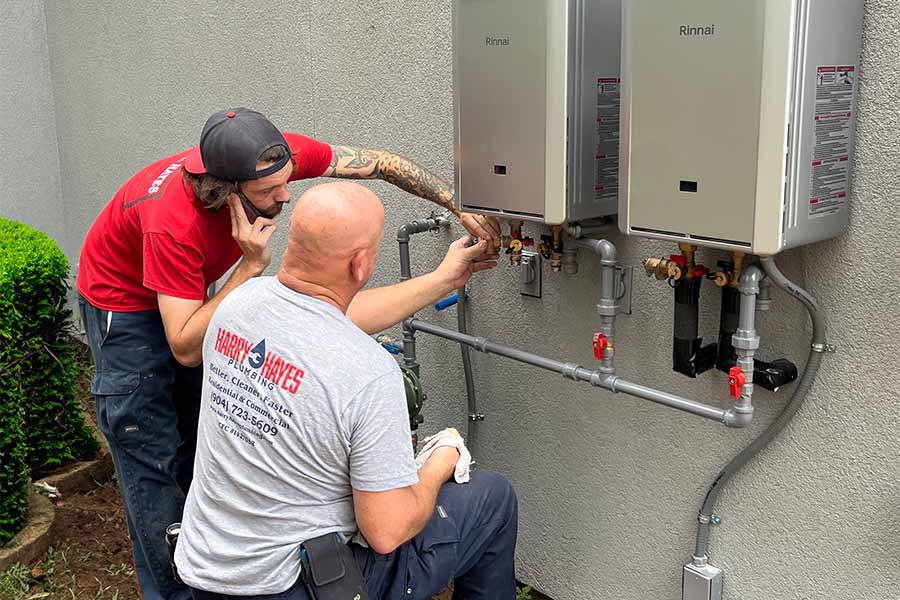
At Harry Hayes Plumbing, every tankless water heater installation begins with a thorough assessment of the home’s current infrastructure, hot water demand, and the best unit configuration for the household’s needs. We provide clear, upfront pricing before any work begins.
The Benefits of Tankless Water Heaters for Jacksonville Homes
The core appeal of tankless water heaters is straightforward: they heat water on demand rather than storing and continuously reheating a large volume of water. This fundamental design difference offers several practical advantages, particularly for Jacksonville homeowners.
- Energy efficiency: By eliminating standby heat loss, tankless systems consume energy only when hot water is actually being drawn. This on-demand heating approach meaningfully reduces monthly utility costs compared to conventional tank systems, particularly in households with variable or spread-out hot water usage throughout the day.
- Continuous hot water supply: A properly sized tankless unit never runs out of hot water, unlike a storage tank. As long as demand remains within the unit’s rated flow capacity, hot water is delivered consistently, with no recovery time between uses.
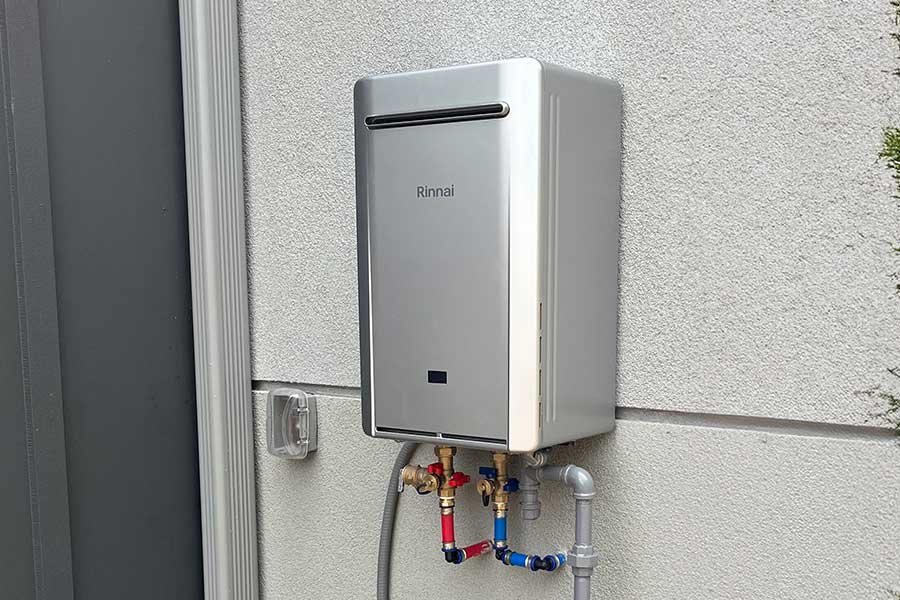
- Compact footprint: Tankless units are wall-mounted and significantly smaller than storage tank heaters, freeing up floor space in utility areas, closets, and garages. This is a practical benefit in Jacksonville homes where utility space is often limited.
- Extended service life: Well-maintained tankless water heaters typically last significantly longer than tank units, with many manufacturers rating their equipment for 20 years or more. This longevity is partly due to the absence of a storage tank, which eliminates the internal corrosion that shortens tank unit lifespans.
- Flexible installation locations: Because tankless units are compact and can be installed closer to points of use, they can be positioned where a large storage tank would not fit. Some configurations place a smaller point-of-use unit near a bathroom or kitchen to minimize wait time at the tap.
Jacksonville’s warm climate means incoming water temperatures are relatively high year-round, which favors tankless systems. The unit requires less energy to raise water from the supply temperature to the desired output temperature than installations in colder climates, resulting in better efficiency.
Key Factors in Tankless Water Heater Selection
Selecting the right tankless water heater requires matching the unit’s specifications to the household’s specific demands. Several factors determine which system will perform correctly and efficiently in a given home.
Assessing Household Hot Water Demand
The most important sizing factor is flow rate, measured in gallons per minute. A plumber evaluates peak usage scenarios, meaning the maximum number of fixtures or appliances that might run simultaneously, and calculates the GPM demand that the unit needs to meet. A household with two bathrooms and a kitchen running simultaneously has different requirements than a single-bathroom home.
Jacksonville’s relatively warm groundwater temperature is a meaningful factor here. The temperature rise a tankless unit must produce is lower in colder climates, allowing a unit with a given GPM rating to serve a larger household effectively. A professional assessment accurately accounts for this.
Choosing Between Gas and Electric
Gas and electric tankless water heaters each have specific advantages and trade-offs:
- Gas tankless units deliver higher flow rates and handle simultaneous multi-fixture demand more effectively. They require proper venting and, for natural gas models, adequate gas line capacity. Installation costs are typically higher due to these requirements.
- Electric tankless units are easier to install, require no venting, and work well for single-point applications or lower-demand households. They may require electrical panel upgrades to support the load, which can add to installation costs in some homes.
The availability of natural gas service, current electrical panel capacity, and household demand patterns all factor into the recommendation. A licensed plumber can assess these variables accurately and recommend the most appropriate system.
Energy Efficiency Ratings
The Uniform Energy Factor (UEF) is the standard efficiency metric for water heaters. Higher UEF values indicate less energy wasted per unit of hot water delivered. When comparing models, a higher UEF translates to lower operating costs over time and is worth weighing in the purchase decision, particularly for households with consistent daily hot water demand.
Installation Space and Requirements
Tankless units require wall clearance for installation, adequate ventilation for gas models, and a condensate drainage path for high-efficiency condensing units. The installation location should allow reasonable access for future maintenance. A plumber familiar with Jacksonville homes can identify the optimal installation point and flag any modifications needed to the existing plumbing or mechanical infrastructure before installation day.
Managing Scale Buildup in Jacksonville’s Water Supply
Jacksonville’s water supply contains minerals that can contribute to scale buildup in tankless water heaters over time. This is the most significant maintenance factor for tankless units in this region. Periodic descaling, typically once a year in areas with hard water, helps keep the heat exchanger operating at peak efficiency and extends the unit’s service life.
Homeowners dealing with high mineral content in their water supply may benefit from addressing the issue at the system level. Our water softener installation in Jacksonville, FL, reduces the mineral load entering the water-heating system, extending the time between descaling services and protecting the entire plumbing system from scale buildup.
What to Expect During the Installation Process
A professional tankless water heater installation follows a structured sequence that a homeowner can prepare for in advance.
Before installation day, the plumber conducts a site assessment to confirm the installation location, verify gas or electrical capacity, identify any necessary modifications to existing infrastructure, and provide a finalized estimate. This is the time to ask questions, review the proposed unit, and confirm the project timeline.
On installation day, the process typically involves:
- Shutting off the water supply and disconnecting the existing water heater if a replacement is being performed
- Installing mounting hardware and positioning the tankless unit at the confirmed location
- Making water supply connections, gas or electrical connections, and installing the venting system for gas models
- Installing a condensate drain line on high-efficiency condensing units
- Pressurizing the system and testing all connections for leaks
- Running the unit through its startup sequence and verifying that water reaches the set output temperature consistently at multiple fixtures
- Walking the homeowner through the unit’s controls, maintenance requirements, and warranty documentation
Most residential tankless water heater installations are completed in a single day. Homes requiring electrical panel upgrades or significant gas line modifications may require additional time, which will be communicated clearly during the assessment phase.

Common Tankless Water Heater Issues and How They Are Addressed
Tankless water heaters are reliable, but they are not without potential issues. Understanding the most common problems helps homeowners recognize when a service call is warranted.
- Insufficient hot water during peak use: Usually indicates that the unit is undersized for the household’s simultaneous demand or that scale buildup on the heat exchanger has reduced its effective output. A plumber can confirm which cause applies and recommend the appropriate resolution.
- Fluctuating water temperature: Can result from a failing flow sensor, a partially blocked inlet filter, or a gas pressure issue in gas-powered units. This symptom warrants a professional diagnosis rather than adjusting the temperature setting.
- Error codes on the digital display: Modern tankless units display fault codes that correspond to specific operational issues, ranging from water-pressure faults to ignition failures to overtemperature shutdowns. The unit’s documentation, along with a qualified technician, can identify the appropriate corrective action for each code.
- Scale buildup on the heat exchanger: The most common maintenance issue in Jacksonville. Reduced hot water output, longer time to reach temperature, or unusual sounds during heating cycles can all signal that descaling is due.
- Ignition failure in gas units: Can result from gas supply issues, a faulty igniter, or a venting problem that prevents proper combustion. This requires immediate professional attention and should not be operated until inspected.
Our water heater repair services in Jacksonville, FL, address faults in tankless units from all major brands with accurate diagnoses and clear recommendations before any repair work begins. For units that have reached the end of their reliable service life or sustained significant damage, our water heater replacement and installation services cover the full range of options, from tank to tankless to hybrid systems.
Maintenance Tips for Long-Term Performance
A tankless water heater that is maintained on schedule operates efficiently and reliably throughout its full service life. The key maintenance tasks for Jacksonville homeowners include:
- Annual descaling: Flush the heat exchanger with a descaling solution to remove mineral accumulation. In homes with harder water or higher usage, this may be warranted more frequently.
- Inlet filter inspection and cleaning: The cold-water inlet filter removes sediment before it enters the heat exchanger. Check and clean it every six months or during each annual service visit.
- Venting inspection for gas units: Confirm that the vent system is unobstructed and that all connections are secure. Venting issues in gas units are safety concerns and should be addressed immediately if discovered.
- Annual professional service: A licensed plumber performing an annual maintenance visit can catch developing issues, verify that the unit is operating within its specified parameters, and complete any manufacturer-recommended service procedures that protect the warranty.
Frequently Asked Questions
How long does tankless water heater installation take? Most residential installations are completed in one day. Homes requiring electrical panel upgrades, gas line modifications, or significant infrastructure changes may take longer. The plumber will confirm the expected timeline during the pre-installation assessment.
Can a tankless water heater serve my whole house? Yes, provided the unit is correctly sized for the home’s peak simultaneous hot water demand. A plumber calculates the required flow rate based on the number and types of fixtures that may run simultaneously.
Do tankless water heaters work with Jacksonville’s water supply? They do, but Jacksonville’s mineral content makes periodic descaling an important maintenance step. Addressing water hardness with a softener extends maintenance intervals and improves overall system performance.
What happens during a power outage? Tankless water heaters require electricity to operate their controls, even gas-powered units. During a power outage, the unit will not function until power is restored.
How do I know if my home needs electrical upgrades for a tankless unit? Electric tankless units draw significant amperage and may require a panel upgrade. Gas units need electricity only for the controls and ignition, which draws minimal current. A licensed electrician or plumber can assess panel capacity during the pre-installation evaluation.
Hayes Got Your Hot Water Handled
Switching to a tankless water heater is one of the most impactful upgrades a Jacksonville homeowner can make for long-term energy efficiency, daily comfort, and the health of the plumbing system. At Harry Hayes Plumbing, we bring over 30 years of local experience to every installation, starting with an honest assessment of what your home actually needs and finishing with a system that is tested, documented, and ready to perform.
Contact our team today to schedule a tankless water heater consultation for your Jacksonville home.