
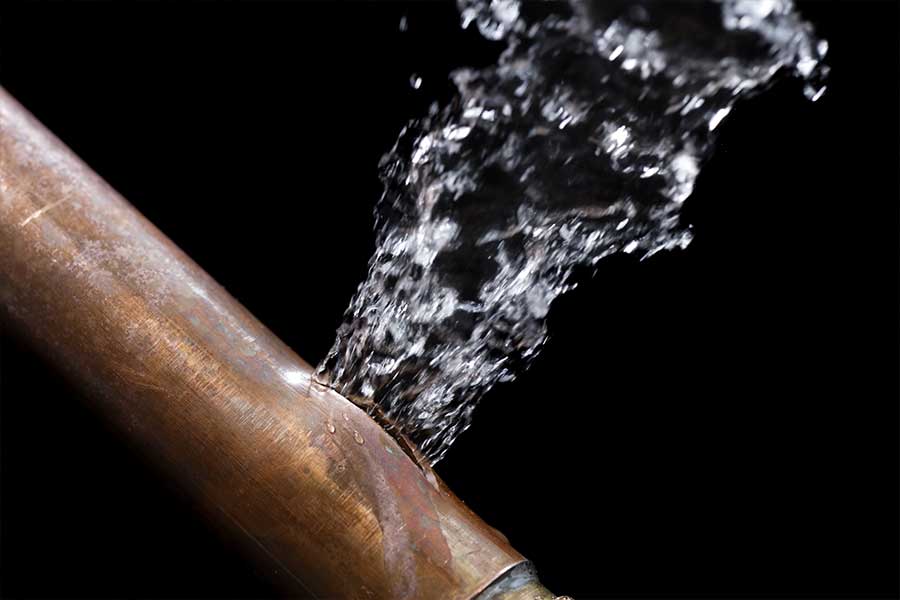
A burst pipe is one of the most disruptive plumbing emergencies a Jacksonville homeowner can face. Water spreads fast, and the damage it causes to flooring, drywall, cabinetry, and personal belongings compounds with every minute the problem goes unaddressed. In our service calls throughout Jacksonville, from older bungalows in Riverside to newer construction in the Nocatee and Mandarin areas, burst pipes demand an immediate, organized response. Knowing the right steps before a plumber arrives can significantly limit the damage. Our emergency plumber in Jacksonville, FL, is available around the clock to provide fast, professional help.
1. Identify the Source of the Leak
Locating where the pipe has failed is the priority. A plumber will need this information, and identifying it early helps you make informed decisions about water shut-off.
Start with the most likely areas:
- Under sinks and around toilet bases, where supply line connections are common failure points
- Behind appliances such as dishwashers, washing machines, and refrigerators with ice makers
- Along basement and crawl space pipe runs, where temperature fluctuations stress older materials
- Ceilings and walls showing new staining, bubbling paint, or visible moisture
Listen for running or dripping water sounds in areas where all fixtures are off. A sudden, unexplained increase in water pressure or a drop in flow at fixtures can also point toward a compromised line. Pinpointing the source accurately helps a plumber assess the situation more quickly and begin repairs sooner.
2. Turn Off the Water Supply
Once the source is identified, shutting off the water supply is the single most important action you can take to limit damage. Every second of continued water flow expands the scope of the problem.
The main shut-off is typically located near the water meter or at the point where the main water line enters the home. Turn it clockwise until it stops fully. If the main valve is inaccessible or if you are uncertain of its location, most fixtures also have localized shut-offs beneath sinks or behind appliances that can limit flow to the affected area.
If you are dealing with a burst that has already caused significant flooding or structural concern, or if you cannot locate or operate the shut-off valve, our water leak detection and repair team can help immediately. Our plumbers are equipped to handle burst pipes at any hour and can safely shut down the system on arrival.
3. Drain the Pipes
After the water supply is off, residual water remains in the pipe system and continues to flow from the damaged section. Draining it down reduces the total volume of water that can escape and prepares the plumbing for proper repair.
Open every faucet in the home, both hot and cold, to allow air into the lines and accelerate draining. Flush the toilets to empty the tanks and bowls. In crawl spaces or utility areas, confirm that exposed pipe runs are draining and check for pooling around floor drains. A wet/dry vacuum is useful for clearing standing water from these spaces before it saturates subfloor materials or insulation.
This step is especially important in Jacksonville homes with slab foundations, where water pooling beneath the structure can be difficult to detect and remove after the fact.
4. Contain the Water with Towels and Buckets
While the system drains and before a plumber arrives, containing the spread of water protects flooring, baseboards, and cabinetry from additional damage.
Place buckets or large containers directly under active drip points to collect water as it continues to release from the line. Use absorbent towels to manage water that has already spread across the floor, wringing them into buckets regularly. A mop helps clear larger puddles quickly. Move rugs, furniture, and personal items away from the affected area to prevent secondary water damage.
These measures will not resolve the pipe failure, but they will meaningfully reduce the extent of the repair and restoration work that follows.
5. Apply Temporary Fixes While You Wait
In situations where a plumber cannot arrive immediately, a temporary measure can slow water release and buy time. These are short-term solutions only and do not substitute for a proper repair.
Common interim options include:
- Pipe clamps: A rubber-lined pipe clamp, if available, can seat over the damaged section and reduce flow at a crack or split
- Plumber’s epoxy: Applied to a dry pipe surface, epoxy putty can temporarily seal a small pinhole or hairline fracture
- Pipe repair tape: Self-fusing silicone tape wrapped tightly around a minor leak point can slow seepage temporarily
- Pipe sleeves: A pre-made rubber sleeve secured with hose clamps provides a more stable temporary fix than tape alone
These approaches work best on accessible pipe sections with minor fractures. For major bursts, complete pipe separations, or inaccessible locations, temporary measures are not practical, and the focus should remain on water containment until a licensed plumber can complete the repair.
6. Call a Licensed Plumber
Temporary fixes address the immediate symptom. A permanent repair requires a licensed plumber with the tools and materials to assess the damage properly, replace the failed section, and verify that the rest of the line is intact.
Working in homes across Jacksonville, our team at Harry Hayes Plumbing provides honest evaluations and transparent pricing on every service call. We do not recommend unnecessary work and take the time to explain what caused the failure and what the repair entails. For homes where a single burst pipe is part of a broader pattern of aging or corroding pipes, we may recommend a more thorough assessment. In those cases, home repiping in Jacksonville, FL can be the most cost-effective long-term solution, eliminating the cycle of recurring failures that comes with deteriorating pipe systems.
7. Take Steps to Prevent Future Pipe Bursts
Once the immediate crisis is resolved, addressing the conditions that contributed to the failure reduces the risk of a repeat event. Based on what we see in Jacksonville properties, most burst pipes stem from a handful of preventable causes.
- Uninsulated pipe runs: Exposed pipes in garages, under-home crawl spaces, or exterior walls are vulnerable during Jacksonville’s periodic cold snaps. Insulating these sections protects against pressure buildup caused by temperature stress.
- Unregulated water pressure: High water pressure places sustained stress on pipe joints, fittings, and older pipe material. A pressure regulator keeps supply pressure within a safe operating range and reduces wear over time.
- Deferred maintenance: Small leaks, visible corrosion, or slow drips at fittings often precede a full pipe failure. Annual plumbing inspections catch these developing issues before they escalate.
- Aging pipe materials: Galvanized steel, polybutylene, and other older materials have a finite service life. Homes in established Jacksonville neighborhoods, particularly those built before the 1980s, are more likely to have pipe systems approaching or past their reliable lifespan.
Knowing the location of your home’s main shut-off before an emergency occurs is equally important. In a burst pipe situation, every minute spent searching for the valve increases the total damage.
Frequently Asked Questions
What should I do first when a pipe bursts in my home? Shut off the main water supply immediately to stop the flow. Then work to contain any standing water while you arrange for a licensed plumber to assess and repair the damage.
Can I repair a burst pipe myself? Temporary measures can slow water release while you wait for a plumber. Still, a burst pipe requires a proper professional repair to restore line integrity and ensure no secondary damage has occurred.
How long does it take to repair a burst pipe? Most burst pipe repairs are completed within a few hours, depending on the location and extent of the damage. A plumber will give you a timeline after assessing the affected section.
Will my homeowner’s insurance cover a burst pipe? Many homeowner’s policies cover sudden and accidental water damage from a burst pipe, but coverage varies. Contact your insurer as soon as possible after the event and document the damage with photos before cleanup begins.
How can I prevent pipes from bursting in the future? Insulating exposed pipes, monitoring water pressure, scheduling annual plumbing inspections, and addressing small leaks promptly are the most effective preventive measures.
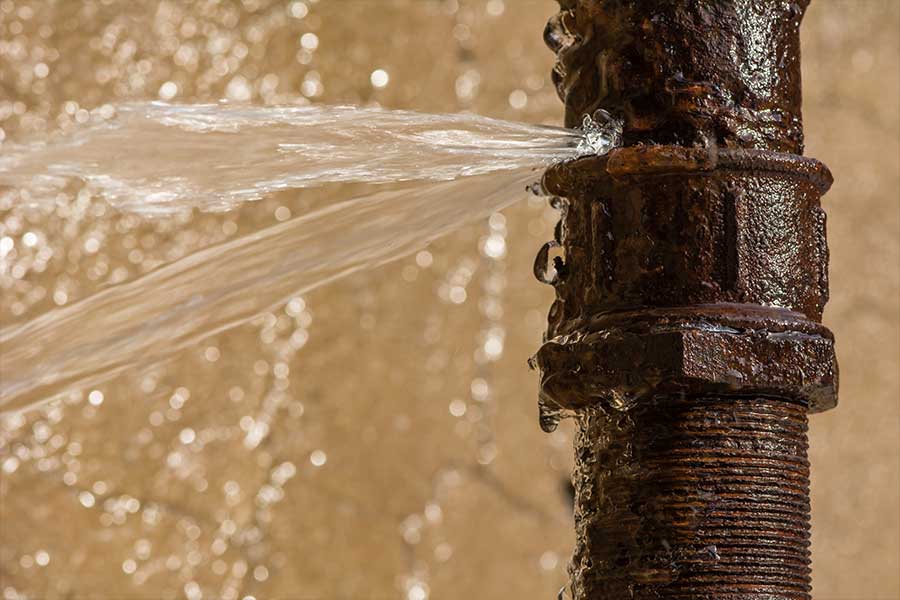
When Pipes Burst, Harry Hayes Has Your Back
A burst pipe does not have to turn into a full-scale disaster. Responding quickly, containing the water, and calling in a professional promptly can make a significant difference in the outcome. At Harry Hayes Plumbing, we have served Jacksonville homeowners for over 30 years with 24/7 emergency availability, honest assessments, and lasting repairs built on real field experience. Whether you are managing an active emergency or want a professional evaluation of aging pipes before a problem develops, our licensed team is ready to help.
Contact our team today to schedule service or get immediate assistance for your Jacksonville home.